
DNA of Italian Motorsport
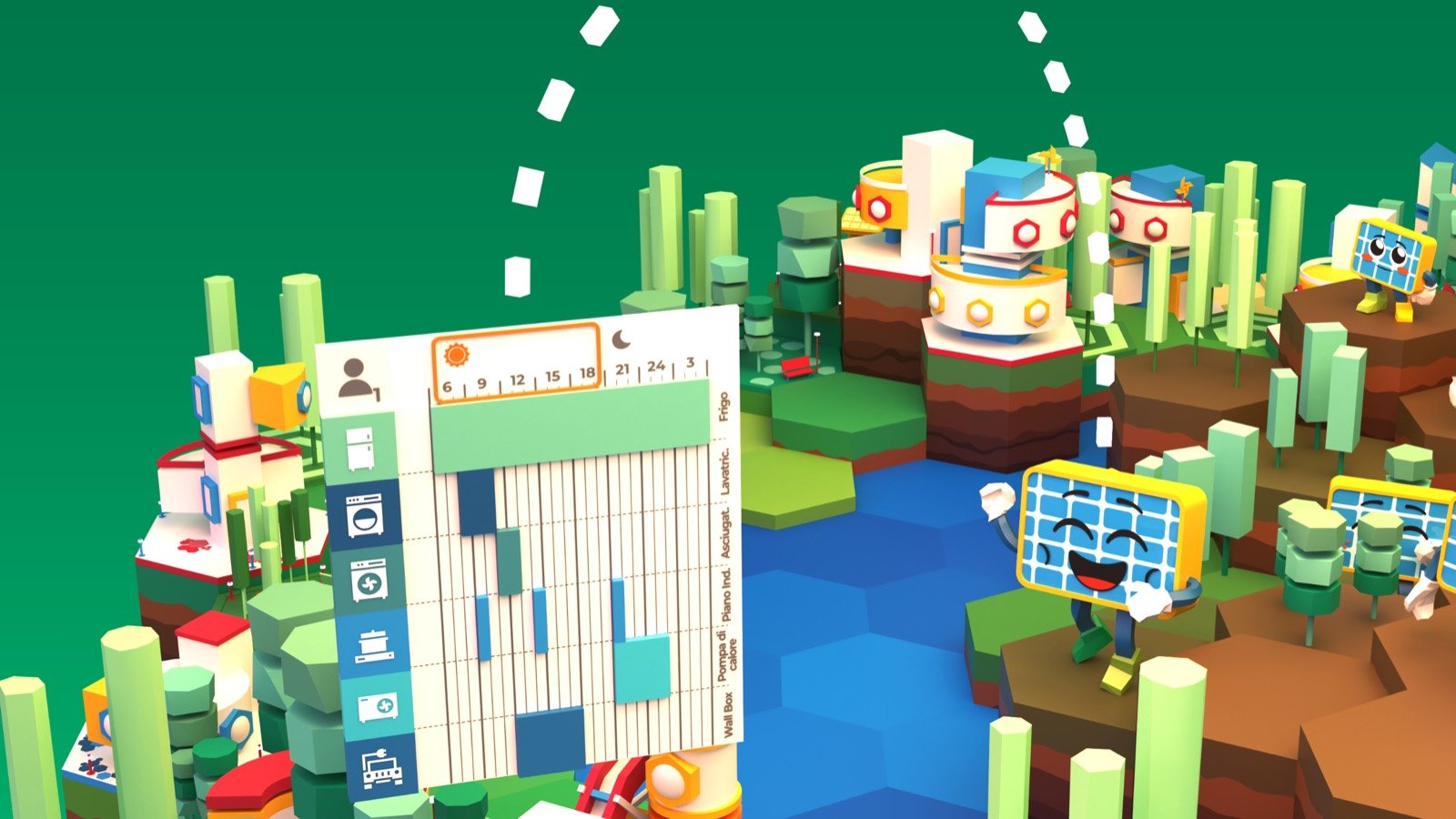
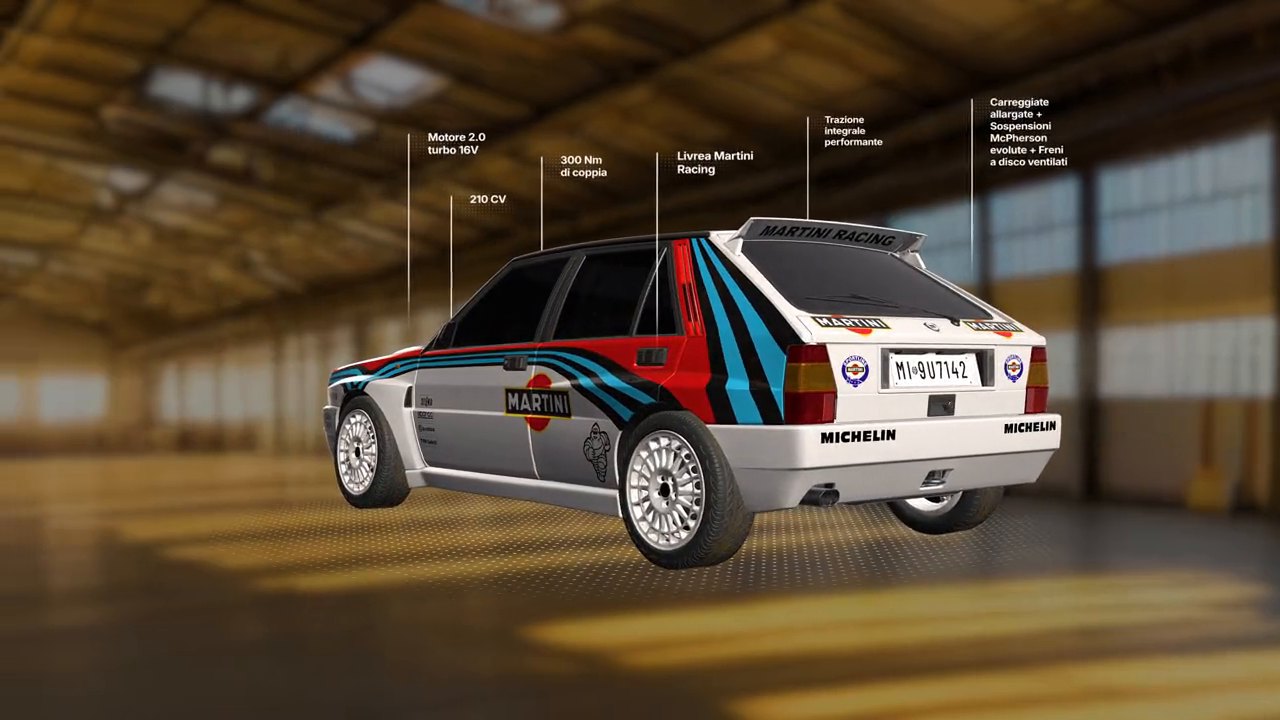
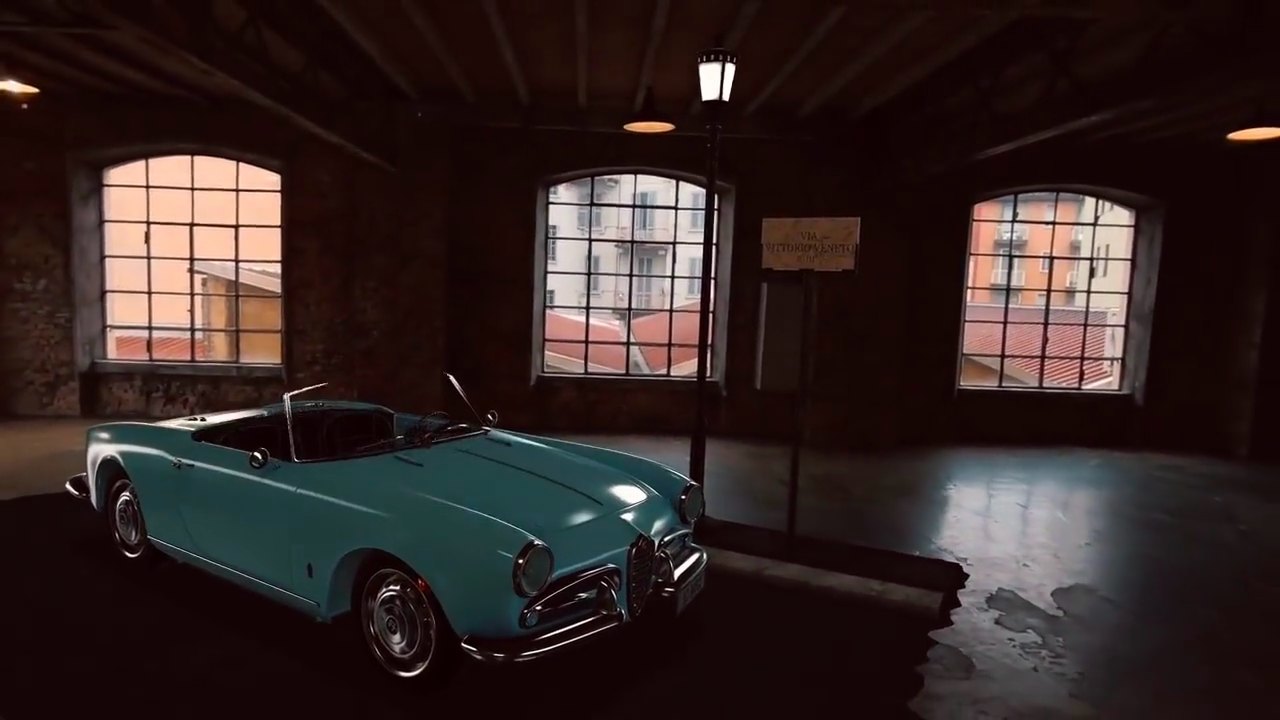
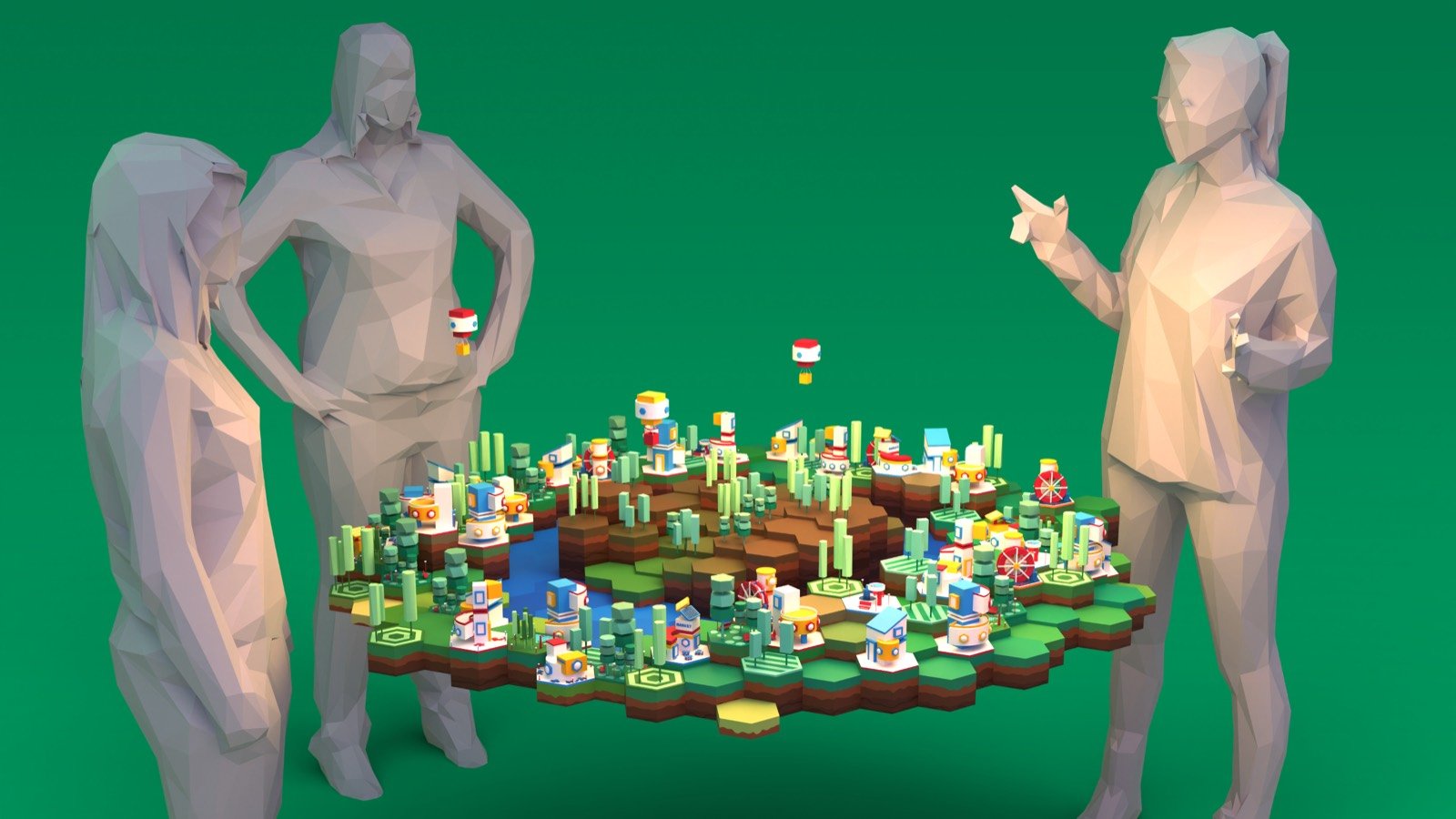
DNA of Italian Motorsport is a seated tour through three eras of Italian racing. It lasts between 5 and 15 minutes and is told with full-scale 3D cars, an interactive diorama and 30 videos.
The guide is the ACI logo, turned into a character that talks. It asks one question, the visitor answers out loud in Italian, and a language model on the headset chooses the era the tour will follow.
- My role
- Led development and built the architecture.
- Built with
- Swift, SwiftUI, RealityKit, Reality Composer Pro, ARKit (world tracking, plane detection, world anchors), Speech (SpeechTranscriber), Foundation Models, AVFoundation (MV-HEVC), SwiftData, On-Demand Resources, game controller input
- First shown
- May 2026
This clip could not be loaded.
My part
The voice guide
The guide asks its question in one of several recorded versions. I transcribe the answer with SpeechTranscriber, after downloading the Italian speech model if the headset doesn’t have it yet, and a silence detector decides when the visitor has finished. The transcript goes to Foundation Models, and guided generation returns a line of reasoning, the era and a confidence level. I made the model reason before it names an era, because its choices were steadier that way when an answer was vague.
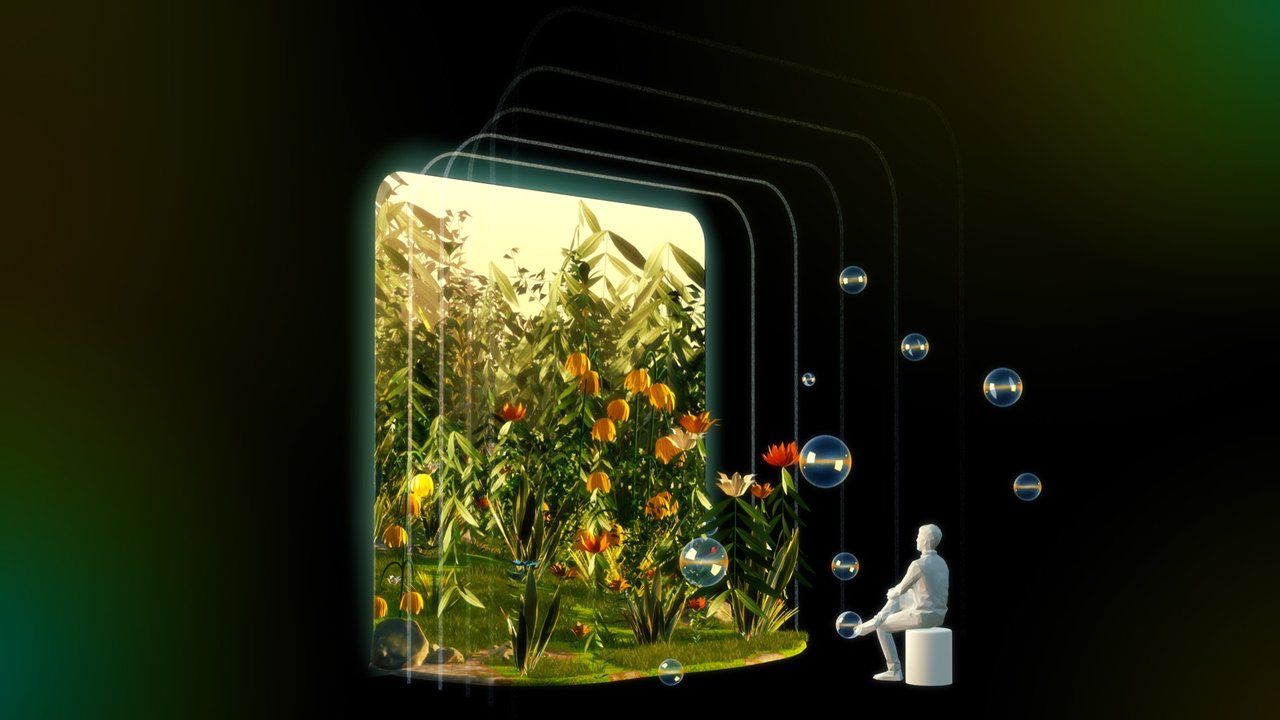
From a floating panel into VR180
One film starts as an intro in a floating panel and then becomes fully immersive VR180 without skipping a frame. At a set point in the film a boundary observer fires, and the VR180 player starts at the panel’s current timecode. The scene then fades out while the background audio ducks under the film. The VR180 file is HDR MV-HEVC and runs to several gigabytes.
Setting up the room
Before the first visitor arrives, staff place the scene and mark where the visitor will sit. They use a game controller to move a cursor, updated every frame, across the planes ARKit detects. I store the world anchor’s ID and the seat position in SwiftData, and the setup is still there after a restart. Holding a button clears it.
Delivering 30 videos
The videos run to several gigabytes, so they are delivered through On-Demand Resources, each with its own tag. The app downloads them one at a time at urgent priority, shows a single progress figure for the whole set and checks each file when it arrives.
Connecting the timelines to code
The scenes are choreographed as timelines in Reality Composer Pro. A manager I wrote in Swift listens for the cues those timelines send and answers them. Several of them swap the materials of the cars between physical and transparent. The guide also reacts to its own voice: I meter the audio level, smooth it and feed it to a Shader Graph parameter.